
For owners
Pricing Your Short-Stay Property: What Actually Drives Revenue
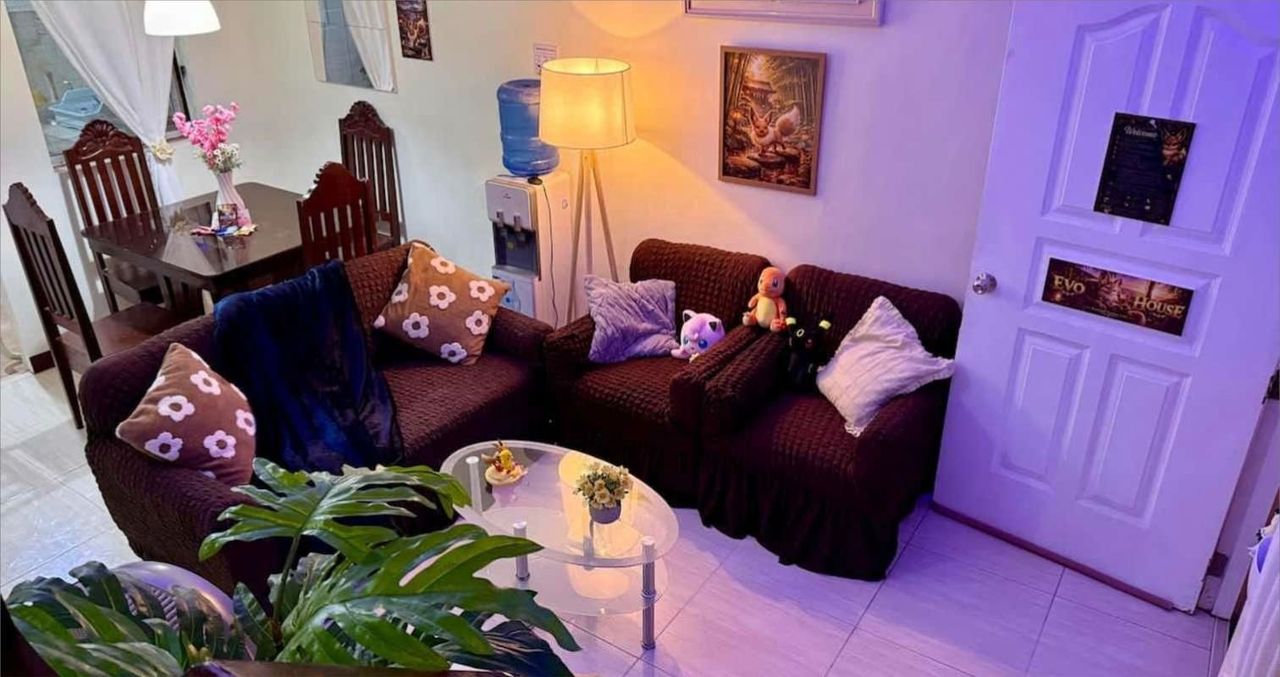
Occupancy is easy to buy — just lower the price. The harder and more profitable goal is revenue per available night. These are the levers that move it.
Start from demand, not from your costs
The most common pricing mistake is to work backwards from the mortgage. Guests do not know or care what your property costs you. They compare what is available on their dates, in their area, at their budget. Your rate has to win that comparison — or your calendar stays empty and you end up discounting late, which is always the most expensive way to fill a night.
The three levers that actually move revenue
1. Base rate by season, not by year
Split the year into at least three tiers: high, shoulder and low. In Cebu and General Santos, demand follows dry season and domestic holidays. In Besancon, it follows summer, student arrivals and regional events. A single flat rate leaves money on the table in peak weeks and kills occupancy in quiet ones.
2. Minimum stay rules
A two-night minimum protects your cleaning costs and your team's sanity. But an inflexible minimum during a quiet week blocks the only booking you were going to get. Rules should tighten in high season and loosen in low season, and allow one-night gap fills between two reservations.
3. Lead-time adjustments
Prices should not be static as dates approach. Far out, hold a firm rate: you are selling scarcity. Inside two weeks, unsold nights are perishable stock — a measured reduction fills them at a profit, while waiting does not.
Fees: be transparent, be simple
Cleaning fees that look disproportionate to the nightly rate are one of the main reasons guests abandon a booking. Where possible, keep the cleaning fee modest and build the rest into the nightly rate: guests compare the total, but they react emotionally to the fee line.
A simple monthly routine
- Check occupancy for the next 30, 60 and 90 days against the same period last year.
- Look at what comparable properties are charging for your weakest weeks.
- Adjust the weakest three weeks, not the whole calendar.
- Never discount a week that is already 80% booked.
What good looks like
A healthy short-stay property is not one that is 100% full — that usually means it is underpriced. It is one that holds high occupancy at a rate that rises year over year, with a review score that keeps it visible in search. Revenue per available night is the number to watch, not occupancy alone.
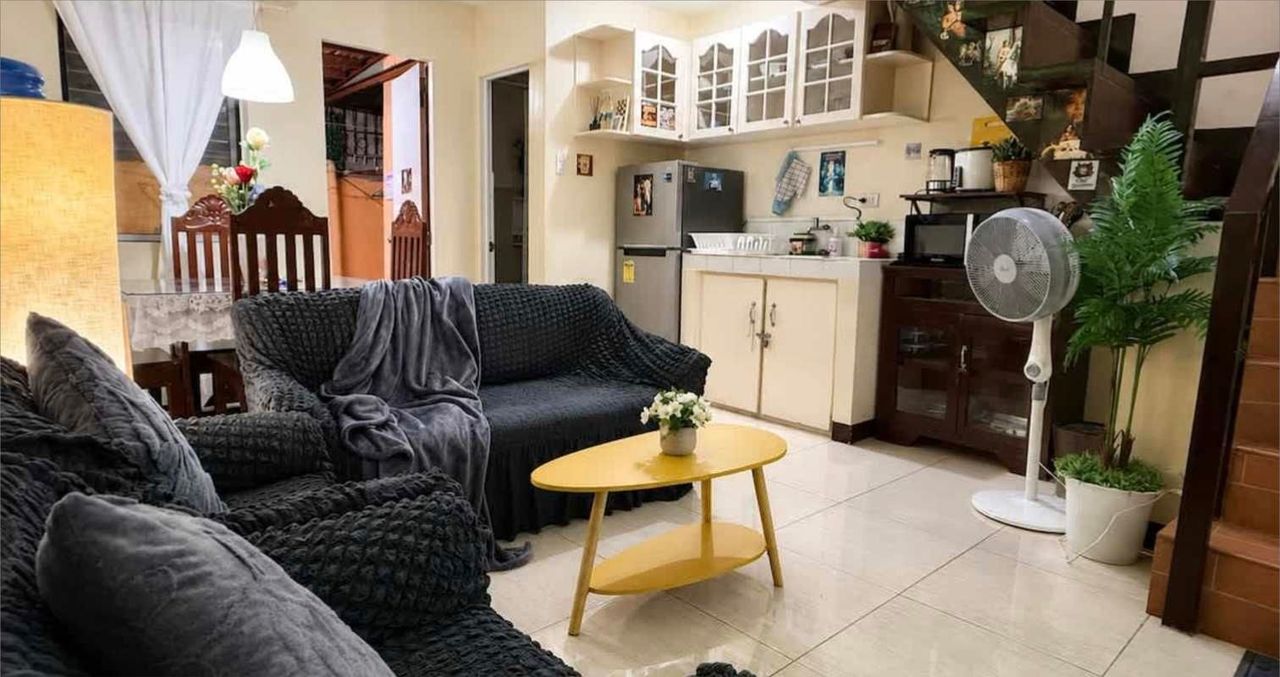
Fantasia House, General Santos — priced by season rather than by a single flat rate.
Want a pricing review of your property?
We will benchmark your rates against real local demand and show you where the gap is, with no obligation.
Talk to Themed World